

OHIP Coverage
What's Covered Under OHIP
Considering private insurance? Compare health insurance quotes online before speaking to a broker with HealthQuotes.
Last updated: August 2026. OHIP coverage details are subject to change. Always confirm current coverage at Ontario.ca.
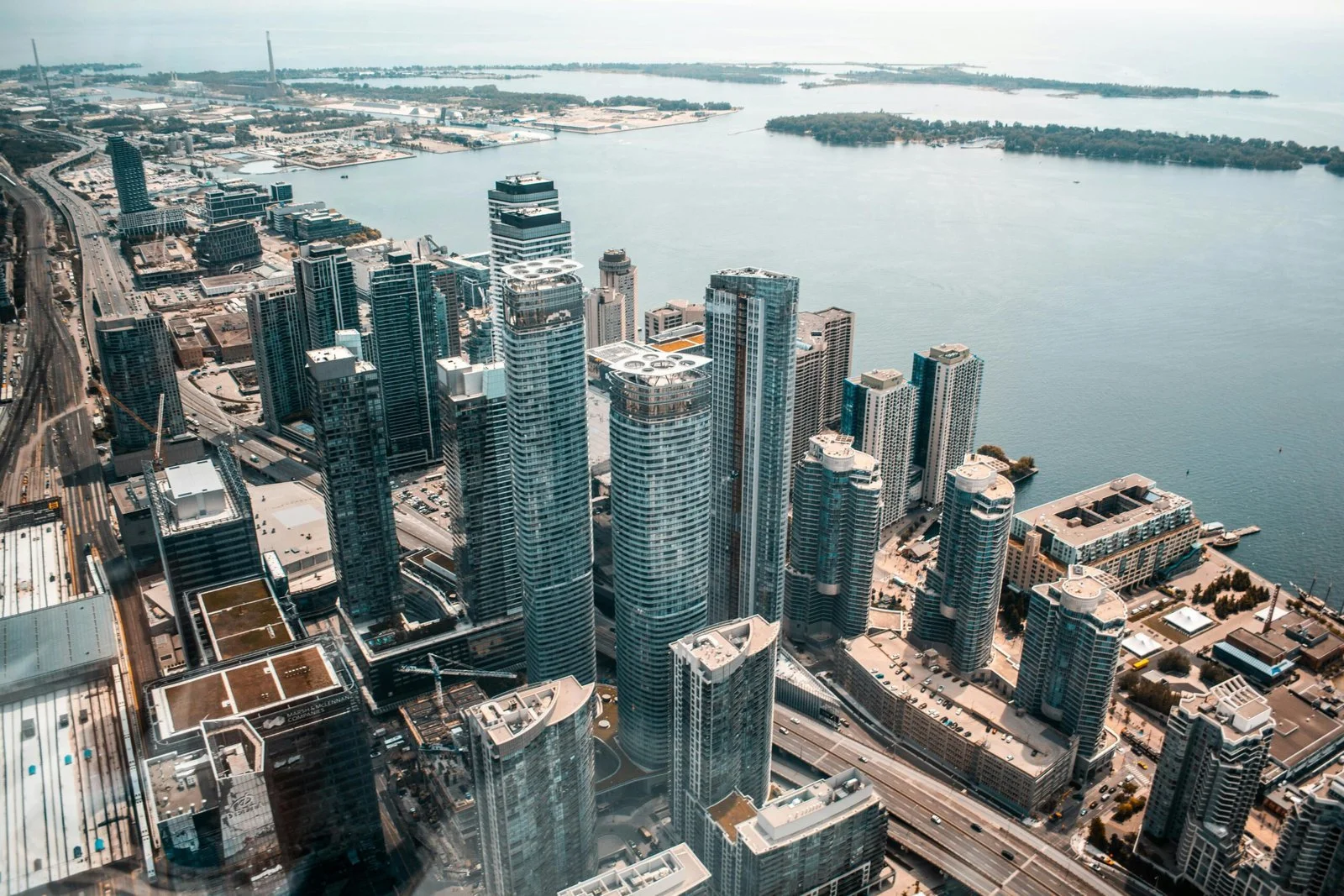
Ontario's provincial healthcare plan is called OHIP, short for the Ontario Health Insurance Plan.
There is no longer a waiting period for OHIP. If you're eligible, your coverage starts as soon as you apply and register, not three months later. To qualify, you generally need to:
Make Ontario your primary home
Be physically present in Ontario for at least 153 days in any 12-month period
Be physically present in Ontario for at least 153 of the first 183 days right after you start living here
Meet one additional requirement, such as being a Canadian citizen, permanent resident, protected person, or holding a qualifying work permit
If you've just moved to Ontario, or you're a returning expat, apply for your health card as soon as you arrive. Coverage isn't automatic. You need to register in person at a ServiceOntario centre. Until your OHIP is active, travel or private health insurance can cover you in the gap.
Summary of OHIP Coverage and Benefits
Coverage Summary
Services Covered by OHIP
Medically necessary services provided by a qualified doctor.
Medically necessary services provided in a hospital, including meals, required drugs, procedures and public wards (semi-private and private rooms not covered).
Eye examinations ONLY IF: you are under the age of 20 (one exam per year), or; you are 65 or older with no qualifying eye condition (one exam every 18 months), or; you are 65 or older with a qualifying eye condition such as diabetes, glaucoma, cataracts, or macular degeneration (one exam per year), or; you are 20 to 64 with a qualifying medical condition that requires regular eye examinations (one exam per year). Seniors 65+ are also covered for up to two minor follow-up assessments within their exam window.
Registered podiatrist services are partially covered under OHIP (note that surgery is not covered). Coverage is $7 to $16 per visit, with an annual maximum of $135 per person. There is also $30 for x-rays.
Ambulance services IF:
You have a valid health card and transportation occurs between medical facilities.
Ambulance transportation is deemed medically necessary. There is a $45 co-payment if transportation did not originate at a medical facility (e.g. pick-up at your home), UNLESS you are receiving social assistance, in which case the $45 fee is waived.
For full ambulance cost details please click here.
Home care and long-term care are usually not covered, although this depends on the needs of the applicant. Click here for more information.
Mammograms are covered via the OBSP (Ontario Breast Screening Program) for all women who: are between the ages of 40 to 74 years old (no referral needed, self-referral available from age 40), or; are between the ages of 30 to 69 and are considered high risk (referral required). Mammograms are also covered if you are referred to a publicly funded Ontario hospital or clinic by a physician.
Midwife services.
Dental surgery performed in a hospital. For example, fracture repair, tumor removal, reconstructive surgery and medically necessary tooth removal (tooth removal requires prior OHIP approval).
Some birth control pills / oral contraceptives are covered IF you are younger than 25 years old (covered by OHIP+ program). If you are 25 or older than there MAY be coverage if you are considered “low-income” and qualify for a specialty drug program.
Surgical abortions if performed in a hospital or clinic. Mifegymiso is also covered if you have a prescription from your doctor.
Please note that you may be billed if you miss an appointment with a physician or if your health card isn’t valid. You must cancel an appointment at least 24 hours in advance to avoid being charged this fee.
Services Not Covered by OHIP
Ambulance transportation services if not deemed medically necessary (maximum cost of $240).
Routine eye examinations for people between the ages of 20 and 65.
Glasses and contact lenses.
Laser eye surgery.
Eye exams required by third parties or potential employers.
Physiotherapy is usually not covered, UNLESS you meet one of the following conditions:
You are less than 20 years of age or are 65 or older AND have been referred by a physician stating that you require physiotherapy.
You have been discharged as a hospital inpatient after an overnight stay and need physiotherapy to recover from your injury or condition (the reason you were hospitalized).
You are a client of Ontario Works or the Ontario Disability Support program and are referred by a physician or nurse practitioner.
Any dental services performed in a dental office.
Paramedical services such as chiropractors, massage therapists, naturopaths, acupuncturists and osteopaths are usually not covered. If you are under 20 or are 65 or older then there MAY be publicly funded coverage available for physiotherapy services.
Necessary emergency medical treatment obtained outside of Canada (e.g. while traveling) is only covered on a very limited basis (via the Out-of-Country Travellers Program); it is highly recommended to have travel insurance protection if traveling outside of Canada. Out of province ambulance costs are not covered.
Prescription drugs if you are 25 or older (as of January 1, 2018), although assistance MAY be available (see below), depending on your personal situation.
Any cosmetic surgery.
Semi-private and private rooms in a hospital.
Birth control pills and other contraceptives UNLESS you are 24 or younger OR you qualify for a specialty drug program (e.g. low-income family).
Does OHIP Cover Mental Health Services?
OHIP covers some mental health care, but not all of it. Here's the breakdown:
Covered by OHIP:
Visits with a psychiatrist (usually with a referral from your family doctor)
Counselling from your family doctor, especially if they're part of a Family Health Team
Crisis intervention and mental health care provided in hospitals
Group therapy offered through publicly funded clinics or community health centres
Not covered by OHIP:
Sessions with a psychologist, registered psychotherapist, or social worker in private practice
Couples counselling (unless it's through a publicly funded provider)
Ongoing talk therapy outside of a hospital or public clinic setting
If you want therapy from a provider in private practice, or you're facing long public wait times, private health insurance can help cover those costs. We've broken this down in more detail in our guide on whether therapy is covered by OHIP.
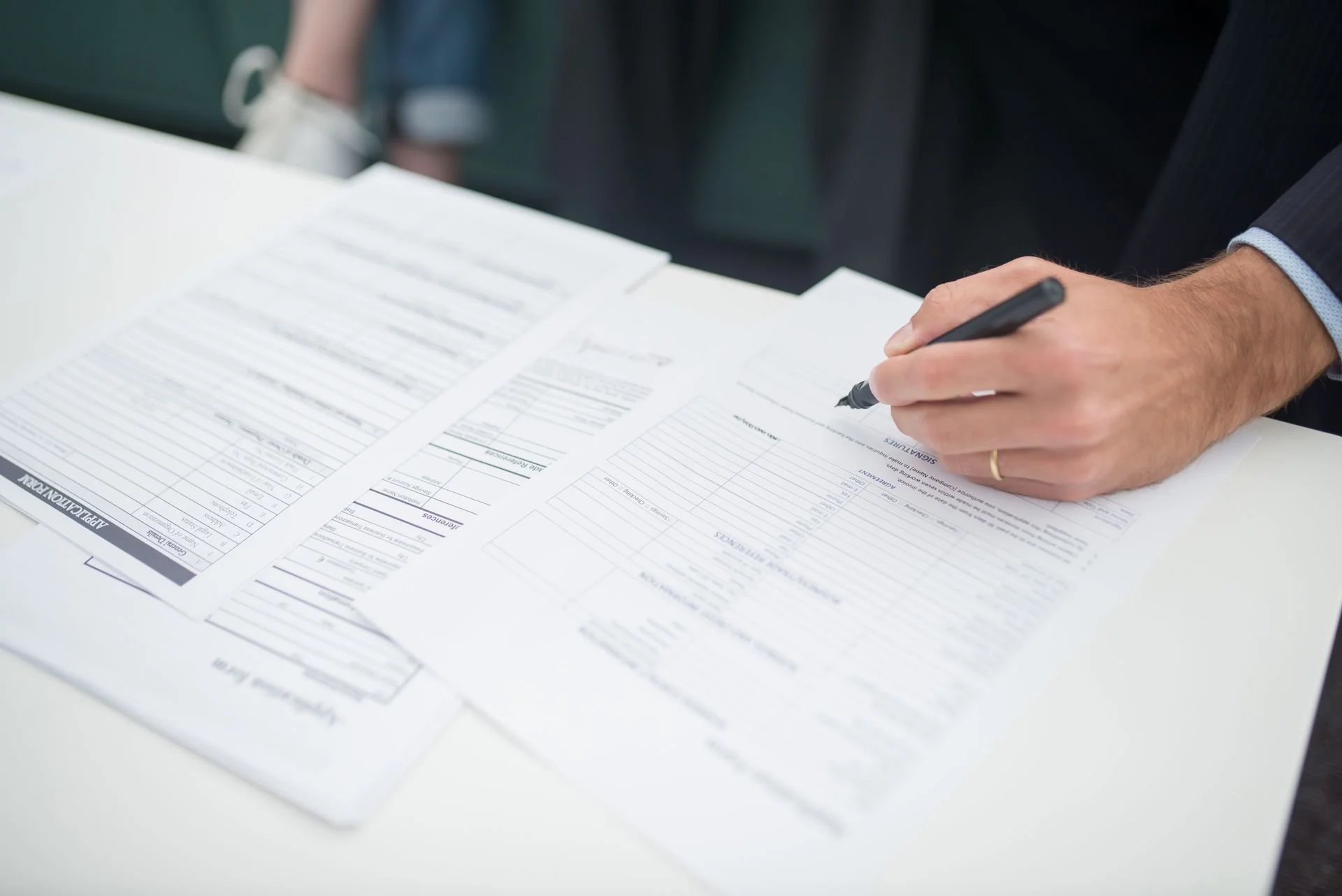
How to Apply for OHIP
You apply for OHIP in person at a ServiceOntario centre. You'll need to bring three separate original documents (photocopies aren't accepted):
One document proving your Canadian citizenship or OHIP-eligible immigration status
One document proving your Ontario residency, such as a lease, utility bill, or driver's licence
One document proving your identity, such as a passport
Your card usually arrives by mail after your application is processed. If you're waiting on your card and need care in the meantime, or if you're not yet eligible for OHIP, private or travel health insurance can bridge that gap. Get a free instant quote to see your options.

Ontario Drug Benefits
Prescription drugs are usually not covered by the Ontario Health Insurance Plan; however, there is assistance for those who need help in paying prescription costs. The Ontario Drug Benefit (ODB) program provides coverage for the following people who possess a valid Ontario health card and meet one of the following requirements:
Seniors who are aged 65 and older.
Residents under the age of 25.
Ontario residents who are on social assistance i.e. Ontario Disability Support Program and/or Ontario Works.
Ontario residents who reside in long-term care homes and homes for special care.
Ontario residents who are receiving professional home care services.
Residents who have high drug costs compared to their income and are registered with the Trillium Drug Program (see below).
For a complete listing of prescription drugs that are covered by the ODB program (including OHIP+) please click here.
Ontario residents who DO NOT qualify for the ODB program have the option of applying for the Trillium Drug Plan. The TDP provides drug benefits to Ontario residents who have high prescription costs in relation to their net income, and/or have little or no private insurance coverage.

Northern Health Travel Grant
You may be eligible for a Northern Health Travel Grant if you reside in northern Ontario and have to travel a long distance to obtain special medical care. This grant pays 41 cents per kilometre travelled. There is a deductible of 100 km.
If you live in one of the following areas you may be eligible for assistance: Algoma, Manitoulin, Cochrane, Kenora, Sudbury, Nipissing, Parry Sound, Rainy River, Timiskaming, or Thunder Bay.
For enrolment information, please click here.
OHIP vs. Private Health Insurance
OHIP covers medically necessary doctor and hospital care. It was never designed to cover everything, and for most working-age adults, there's a real gap between what OHIP pays for and what health care actually costs.
| Service | Does OHIP Cover It? | Typical Cost If You Pay Out of Pocket | Private Insurance |
|---|---|---|---|
| Doctor visits and hospital care | Covered | N/A, no cost to you | Not needed |
| Prescription drugs (most adults 25–64) | Not covered | Varies by medication, often $20–$200+ per month | Covered |
| Dental checkups and cleanings | Not covered (except in-hospital surgery) | $150–$300 per visit | Covered |
| Eye exams (adults 20–64, no qualifying condition) | Not covered | $100–$250 per visit | Covered |
| Glasses and contact lenses | Not covered, any age | Often $200 or more | Covered |
| Physiotherapy (most adults) | Not covered | $80–$150 per session | Covered |
| Counselling in private practice | Not covered | $150–$225 per session | Covered |
| Semi-private or private hospital room | Not covered | $290–$350 per day | Often covered |
| Emergency care while travelling | Very limited coverage | Can run into the thousands | Covered with travel insurance |
If you're self-employed, between jobs, retired, or your employer doesn't offer benefits, these gaps come out of your own pocket. A private health plan fills them in without replacing OHIP. It works alongside it.
Not sure which plan fits your situation? Compare options like our guaranteed acceptance plans or read our Manulife vs. Blue Cross comparison.
Frequently Asked Questions
-
OHIP covers medically necessary services from a doctor or in a hospital, including visits, tests, surgeries, and hospital stays in a public ward. It also covers some vision care, ambulance rides, and midwife services, depending on your situation.
-
OHIP doesn't cover prescription drugs for most adults under 65, routine dental care, glasses or contacts, most physiotherapy, or semi-private and private hospital rooms. Most people fill these gaps with private health insurance.
-
No. Ontario removed the waiting period. If you're eligible, your coverage starts as soon as you apply and register at a ServiceOntario centre.
-
You pay out of pocket, or you use private health insurance if you have it. This is the most common reason people look into supplemental coverage, especially for dental, vision, and prescription costs.
-
A few government programs fill in specific OHIP gaps. The Ontario Drug Benefit (ODB) helps pay for prescriptions if you're 65 or older, 24 or younger, or on social assistance. The Trillium Drug Program helps if your prescription costs are high relative to your income. The Ontario Seniors Dental Care Program offers free routine dental care for low-income seniors 65 and up. The Northern Health Travel Grant helps cover travel costs for northern residents who need to travel for specialized care. There's also the federal Canadian Dental Care Plan for residents without other dental coverage. Most of these have income or age requirements, so check eligibility before assuming you qualify.
-
OHIP itself doesn't pay for routine prescriptions for most adults. But if you qualify for the Ontario Drug Benefit program, such as being 65 or older, 24 or younger, or on social assistance, you can use any licensed pharmacy in Ontario. It's not limited to specific chains. Just bring your valid Ontario health card when you fill your prescription.
-
You generally need to make Ontario your primary home, meet the residency day requirements, and hold an eligible status such as Canadian citizenship, permanent residency, or a qualifying work permit.
-
Within Ontario, you can use it at any doctor's office, walk-in clinic, hospital, or emergency room that accepts OHIP, which is nearly all of them. If you travel to another Canadian province, OHIP covers medically necessary doctor and hospital care, though you may need to pay upfront and get reimbursed depending on the province. Outside Canada, OHIP only pays a small, fixed amount toward emergency care, nowhere near actual costs. Travel insurance is not part of OHIP. You need to buy it separately before you leave, and travel insurance quotes are worth comparing before any trip outside the country.
-
Your health card needs to be renewed every 5 years. If your photo and signature are less than 5 years old, your card is expired or expiring within 180 days, and you have a valid Ontario driver's licence or photo card, you can usually renew online in a few minutes. Otherwise, you'll need to renew in person at a ServiceOntario centre with proof of your Ontario residency, such as a utility bill or bank statement, plus valid ID. Your new card arrives by mail in 4 to 6 weeks, and you'll get a temporary printed document to use in the meantime.
-
For most working-age adults, yes. OHIP doesn't cover prescription drugs, dental, vision, or paramedical care for most adults, so private insurance fills in costs you'd otherwise pay out of pocket.
-
No, with one exception. Most people need to apply in person at a ServiceOntario centre with the right documents. The exception is babies born in an Ontario hospital or with a registered midwife, who are typically registered through a form submitted at birth.
-
Partly. OHIP covers psychiatrist visits and counselling from your family doctor, but it doesn't cover private practice therapists, psychologists, or social workers unless they work in a public clinic or hospital setting.