
OHIP Updated April 23, 2026 - Written by Krista DeKuyper
Does OHIP Cover Surgery in Ontario? A Complete 2026 Guide
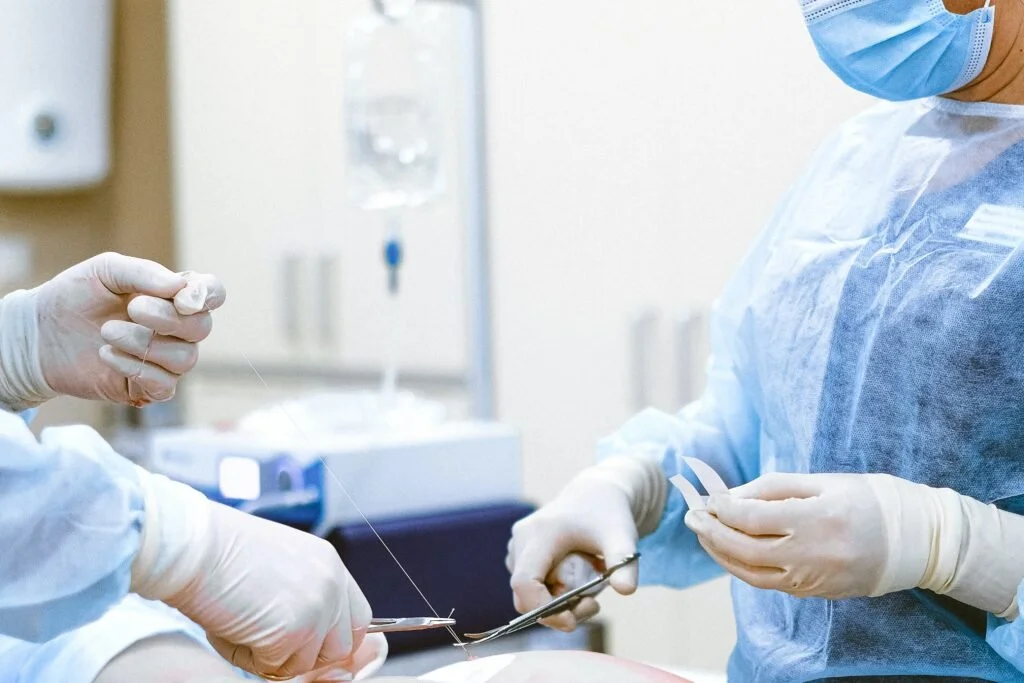
When it comes to healthcare in Ontario, understanding the coverage provided by the Ontario Health Insurance Plan (OHIP) is crucial. One common question that arises is does OHIP cover surgery? In this blog post, we will provide an in-depth overview of OHIP coverage for surgery, including what procedures are covered, eligibility requirements, limitations to coverage, alternative funding options, private health insurance, out-of-pocket expenses, patient responsibilities, and the OHIP appeals process.
OHIP Surgery Coverage at a Glance
What Does OHIP Cover for Surgery? (Quick Reference)
The table below gives you a fast overview of which surgical categories OHIP covers in Ontario, which come with conditions, and which you'll need to pay for out of pocket or through a private plan.
For a broader look at what Ontario's public health plan includes and excludes, see our full OHIP coverage guide.
| Surgery Type | OHIP Coverage | Notes |
|---|---|---|
| Medically necessary hospital surgery | ✅ Covered | Requires physician referral |
| Emergency surgery | ✅ Covered | Includes emergency dental surgery performed in hospital |
| Cataract surgery | ✅ Covered | Basic procedure; premium lens upgrades not covered |
| Hip and knee replacement | ✅ Covered | Subject to wait times |
| Hernia repair | ✅ Covered | N/A |
| Gallbladder removal | ✅ Covered | N/A |
| Bariatric (weight loss) surgery | ⚠️ Conditions apply | Must meet BMI and clinical criteria |
| Gender-affirming surgery | ⚠️ Conditions apply | Requires Ministry of Health approval |
| Breast reduction | ⚠️ Conditions apply | Must demonstrate medical necessity |
| Skin removal after weight loss (panniculectomy) | ⚠️ Conditions apply | Must have documented medical complications |
| Rhinoplasty for breathing issues (septoplasty) | ⚠️ Conditions apply | Cosmetic component not covered |
| Cosmetic surgery (facelifts, breast augmentation, liposuction) | ❌ Not covered | N/A |
| LASIK and elective laser eye surgery | ❌ Not covered | N/A |
| Tummy tuck (abdominoplasty) | ❌ Not covered | N/A |
| Podiatric surgery | ❌ Not covered | N/A |
Understanding OHIP
The Ontario Health Insurance Plan (OHIP) is a government-funded healthcare program that provides coverage for essential healthcare services to Ontario residents. OHIP is designed to ensure that individuals can access necessary medical treatments without incurring excessive financial burdens.
What surgeries does OHIP Cover?
Under OHIP, many types of surgeries are covered. Including all medically necessary procedures. Medically necessary surgeries, such as those required to treat a serious health condition or injury, are typically covered by OHIP. Elective surgeries, on the other hand, may be covered on a case-by-case basis depending on medical necessity and other factors.
Specifically, OHIP covers a wide range of surgical procedures, including but not limited to:
Cardiovascular surgeries
Orthopedic surgeries
Neurosurgeries
Ophthalmic surgeries
Gynecological surgeries
General surgeries
It is important to note that OHIP coverage may vary depending on the complexity and nature of the surgery. Some procedures may require additional documentation, pre-authorization, or referrals from a healthcare provider
Surgeries OHIP covers under certain conditions
Several high-demand surgeries are covered by OHIP, but not automatically. Each comes with specific eligibility criteria you need to meet before coverage kicks in.
Bariatric (Weight Loss) Surgery
OHIP covers bariatric surgery — including gastric bypass — for patients who meet the Ontario Bariatric Network's eligibility criteria. To qualify, you generally need a BMI of 40 or higher, or a BMI of 35 or higher with serious obesity-related health conditions such as Type 2 diabetes or sleep apnea. You also need to demonstrate that medically supervised attempts at weight loss have not been successful.
OHIP primarily covers gastric bypass surgery. Gastric sleeve procedures are typically only covered if your BMI is over 60 (making bypass too risky) or if specific medical conditions prevent you from undergoing bypass. Even when the surgery itself is covered, you may have out-of-pocket costs for pre-operative assessments and supplies.
Cataract Surgery
OHIP covers the cost of cataract surgery when it is medically necessary — specifically when cataracts are significantly impairing your vision and daily activities (generally a visual acuity of 20/40 or worse in your best corrected eye). Basic surgery and standard intraocular lenses (IOLs) are covered; however, if you choose premium lenses designed to reduce your dependence on glasses, those upgrades are not covered by OHIP and must be paid out of pocket or through a private plan.
Knee and Hip Replacement
Knee and hip replacement surgeries are covered by OHIP when deemed medically necessary — typically for patients with severe arthritis or significant joint damage that is affecting quality of life and mobility. There is no additional cost to you for the procedure itself, though wait times can be considerable (see the section below on wait times).
Gender-Affirming Surgery
OHIP covers a range of transition-related surgeries, but coverage requires approval through Ontario's Ministry of Health. Since March 2016, OHIP's funding criteria align with the World Professional Association for Transgender Health (WPATH) standards of care. You will need referrals from qualified healthcare providers who can confirm you meet the criteria for surgery. Not all gender-affirming procedures are covered, and some applications may be denied or require an appeals process.
Breast Reduction (Reduction Mammoplasty)
Breast reduction surgery may be covered by OHIP if it is classified as medically necessary rather than cosmetic. To qualify, you typically need to demonstrate persistent physical symptoms caused by breast size — such as chronic neck and back pain, shoulder grooving from bra straps, or skin irritation — and provide documentation from your physician. Psychological distress alone is generally not sufficient. For a detailed breakdown of the application process, see our dedicated guide on whether OHIP covers breast reduction.
Surgeries that OHIP will not cover
While OHIP provides coverage for many surgeries, it is important to understand that there are limitations to what procedures are covered. Some surgeries may not be covered if they are deemed to be purely cosmetic or experimental in nature. Additionally, OHIP may have specific guidelines or requirements for coverage, such as age restrictions or medical criteria.
OHIP will not cover elective surgeries, such as laser eye surgery, and cosmetic surgeries like breast augmentation, rhinoplasty, liposuction, etc. OHIP will not cover all these surgeries, and you will be expected to seek out private clinics and doctors. You will also be required to pay for them, whether out of pocket or through your insurance coverage.
Furthermore, OHIP coverage does not extend to certain services related to surgery, such as private room upgrades, non-medically necessary medications, or specialized equipment that exceeds OHIP’s coverage limits.
Applying for OHIP Coverage
To apply for OHIP coverage, individuals can visit their local Service Ontario office or apply online through the Ontario website. The application process typically requires documentation to prove identity, residency, and legal status in Ontario. It is important to ensure that all required documents are provided and that the application is completed accurately.
After submitting an application, it may take a few weeks for the card to arrive by mail. During this time, individuals can check the status of their application online.
If you already have a Ontario health card, you are covered by OHIP and don’t need to apply.
Eligibility for OHIP Coverage
In order to be eligible for OHIP coverage, an individual must meet certain criteria. Generally, OHIP coverage is available to:
Canadian citizens
Permanent residents of Ontario
Individuals with valid work permits and a minimum residence requirement
Dependents and spouses of eligible individuals
Alternative Funding Options
In some cases, individuals may face limitations in OHIP coverage for certain surgeries. In these situations, exploring alternative funding options is worth considering.
For example, some hospitals offer financial assistance programs or payment plans for individuals who require surgeries that fall outside of OHIP coverage.
Additionally, there are charitable organizations and foundations that provide funding assistance for specific surgeries or medical conditions.
Researching and reaching out to these organizations can help individuals find additional support for their surgical needs.
Private Health Insurance
Another option to consider is private health insurance. Private insurance plans often offer coverage for a wider range of surgeries and may provide additional benefits not covered by OHIP. However, it is important to carefully review and understand the coverage details, including policy limitations, deductibles, co-pays, and pre-existing condition clauses, before purchasing a private health insurance plan.
Out-of-Pocket Costs: What OHIP Won't Pay For Even When Surgery Is Covered
Even when your surgery itself is fully covered by OHIP, there are related costs that fall outside provincial coverage. Understanding these ahead of time can help you plan financially and avoid surprises.
Common out-of-pocket surgical costs in Ontario:
Private or semi-private hospital room: OHIP covers a standard ward room. If you prefer a private or semi-private room, you or your private insurance will pay the difference. Semi-private rooms typically run $100–$250 per night; private rooms can be $250–$400 or more per night depending on the hospital.
Prescription medications after discharge: OHIP covers medications administered during your hospital stay. Once you are discharged, any ongoing prescription drugs are your responsibility unless you qualify for the Ontario Drug Benefit (ODB) program or have private coverage. For residents under 25, OHIP+ covers many prescription drugs at no cost.
Physiotherapy and rehabilitation: Physiotherapy is covered by OHIP only for specific groups, include seniors 65+, youth under 20, and those who have had an overnight hospital stay within the past year. If your surgery requires post-operative physiotherapy and you do not fit those criteria, you will need private insurance or pay out of pocket ($75–$150 per session is typical).
Medical devices and specialized equipment: Standard implants and devices are covered; however, premium options (such as enhanced intraocular lenses for cataract surgery) are not.
Cosmetic components of otherwise-covered procedures: If your surgery has both a medically necessary and a cosmetic component, such as a rhinoplasty that corrects both a breathing problem and changes the nose's appearance, OHIP will cover only the functional portion.
Pre-operative tests at private labs: Some pre-surgical assessments, if conducted outside a hospital or approved lab, may not be covered.
A private health insurance plan can cover many of these gaps. If you don't currently have supplemental coverage, compare health insurance quotes to find a plan that covers the costs OHIP leaves behind.
The Grey Zone: When Cosmetic Surgery Can Be Covered by OHIP
OHIP does not cover purely cosmetic surgery, procedures done solely to change appearance have no coverage. However, several procedures that are often thought of as "cosmetic" can qualify for OHIP coverage if there is a documented medical reason. The distinction between cosmetic and medically necessary can be subtle, and your surgeon plays a key role in making that case to OHIP.
Rhinoplasty (Nose Surgery)
A standard rhinoplasty performed to alter the appearance of the nose is not covered by OHIP. However, if you have a deviated septum causing breathing problems from a previous injury, accident, or congenital condition, OHIP may cover a septoplasty or septorhinoplasty to correct the functional issue. In cases where the surgery has both a cosmetic and a functional component, OHIP typically covers only the functional portion, and you are billed only for the cosmetic portion.
Skin Removal After Significant Weight Loss (Panniculectomy)
After major weight loss, excess skin can cause serious medical problems including chronic skin infections, rashes, ulcers, and difficulty moving. A panniculectomy (removal of the excess skin apron, or pannus, typically from the lower abdomen) may be covered by OHIP if you can demonstrate there are medical complications. You generally need to have maintained a stable weight for six months or more and provide documentation of failed conservative treatment. A tummy tuck (abdominoplasty), which involves liposuction and muscle tightening in addition to skin removal, is not covered because those additional components are considered cosmetic.
Eyelid Surgery (Blepharoplasty)
Eyelid surgery performed purely for aesthetic reasons is not covered. However, if excess eyelid skin is impairing your vision, OHIP may cover the procedure as medically necessary. Your ophthalmologist or surgeon will need to document the functional impairment.
Gender-Affirming Surgery
As noted above, several gender-affirming procedures, including top surgery involving breast removal, may be covered under OHIP with the appropriate referrals and Ministry of Health approval.
The Bottom Line on Cosmetic Coverage
If you believe a procedure has a genuine medical component, speak with your physician or specialist about making an application to OHIP before assuming you will pay out of pocket. Approval is not guaranteed, and many applications are denied — but the process is worth exploring for significant procedures. For procedures OHIP will not cover, a private health insurance plan or extended health benefits through your employer may offer partial reimbursement. See our guide on services not covered by OHIP for a full breakdown.
Patient Responsibility
As patients, it is important to be knowledgeable about the costs and responsibilities associated with surgery. This includes understanding the coverage provided by OHIP, verifying the need for surgery, seeking referrals from healthcare providers when necessary, and actively participating in care decisions. Moreover, it is essential to communicate with healthcare providers about any financial concerns or limitations to ensure all parties are on the same page.
OHIP Appeals Process
In the event that an individual’s surgery claim is denied by OHIP, there is an appeals process available. The appeals process allows individuals to contest the denial and provide additional information or documentation to support their case. It is important to carefully follow the OHIP appeals process and adhere to any deadlines or requirements outlined.
Conclusion
In conclusion, OHIP provides coverage for various surgeries, both medically necessary and elective, with some limitations and requirements. Understanding OHIP coverage for surgery is crucial for individuals seeking necessary medical treatments. Exploring alternative funding options, private health insurance coverage, and being aware of out-of-pocket expenses can provide individuals with additional choices and support. By being informed and proactive, individuals can navigate OHIP coverage for surgery in Ontario more effectively.
If you want to take a look at private health insurance, use our instant quoting tool!
Frequently Asked Questions About OHIP and Surgery
Does OHIP cover all surgeries in Ontario?
No. OHIP covers medically necessary surgeries performed in Ontario hospitals and approved facilities. Elective, cosmetic, and experimental surgeries are generally not covered. Some procedures like bariatric surgery or gender-affirming surgery are covered only if you meet specific eligibility criteria.
Does OHIP cover cosmetic surgery?
OHIP does not cover cosmetic surgery performed for aesthetic reasons. However, procedures that have a documented medical purpose such as rhinoplasty to correct breathing problems, or skin removal that is causing chronic infections after major weight loss may qualify for partial or full coverage after application and approval.
Does OHIP cover knee replacement surgery?
Yes. Knee replacement surgery is covered by OHIP when deemed medically necessary. There is no direct cost to you for the procedure, but wait times can range from roughly 12 weeks to over a year depending on the hospital and your region.
Does OHIP cover bariatric surgery?
OHIP covers bariatric surgery, primarily gastric bypass, for patients who meet the Ontario Bariatric Network's clinical criteria. You generally need a BMI of 40 or higher, or a BMI of 35 or higher with serious obesity-related comorbidities, and must have attempted medically supervised weight loss without success.
What surgeries does OHIP not cover?
OHIP does not cover purely cosmetic procedures (facelifts, breast augmentation, liposuction, tummy tucks), elective laser eye surgery, podiatric surgery, and surgeries deemed experimental. It also does not cover certain services related to surgery, such as private hospital room upgrades, non-medically necessary medications after discharge, or premium medical devices beyond the standard covered option.
Is there a waiting list for OHIP-covered surgery in Ontario? Yes. Most non-emergency OHIP-covered surgeries involve a wait. Times vary widely by procedure and hospital — from a few weeks for hernia repair at the shortest-wait hospitals to over a year for hip or knee replacements at some facilities. Ontario Health publishes current wait time data at ontariohealth.ca.
What costs are not covered even when OHIP covers my surgery?
Even with OHIP coverage, you may pay out of pocket for private or semi-private hospital room upgrades, prescription drugs after discharge (unless you qualify for ODB or OHIP+), physiotherapy if you don't meet the eligibility criteria, and any premium devices or cosmetic components of a procedure. A private health insurance plan can help fill these gaps — get a free quote to see your options.